

June 25, 2026

Preparation time: 45 minutes
Cooking time: 3 minutes
The sun sets the pace, and tomato season has arrived. The tomatoes grown in the Issan kitchen garden stand out for a highly prized quality: originality. Not uniformly red, fleshy yet not perfectly round, these are the authentic tomatoes that can be recognized among thousands of varieties. Their greatest virtue is that they win everyone over because they possess something increasingly rare: real flavor.
Remove the tomato stems with a knife, cut the tomatoes into pieces, and blend them with a pinch of fleur de sel, a few turns of freshly ground pepper, and a drizzle of olive oil.
Once the tomato purée is thoroughly blended, strain it through a fine chinois lined with muslin cloth to remove the skins, seeds, and any unwanted particles, retaining only the juice.
In a mixing bowl, pick the leaves from a few sprigs of basil, add olive oil, season, and blend until smooth. Add half of this mixture to the tomato soup and reserve the remaining half for plating. Add the sherry vinegar and blend again.
To shell the langoustines, first remove the claws and heads. Gently squeeze the tail shell and pull firmly to extract the meat. Using a small sharp knife, devein the langoustines by making a shallow incision along the flesh and removing the sandy, bitter digestive tract.
To cook them, lightly sear the langoustines in a frying pan brushed with a few drops of olive oil. Alternatively, poach them in a court-bouillon infused with fresh ginger that has been peeled and sliced.
Pour the chilled tomato soup into a deep plate or bowl. Arrange the langoustines on top and garnish them with the reserved basil pistou before serving.
Nothing goes to waste—everything can be transformed. To make a langoustine bisque, sauté the langoustine heads with a mirepoix of carrots, leeks, onions, fennel, and garlic. Add tomato paste, a splash of Cognac, and water, then reduce by three-quarters. Strain through a fine chinois and freeze the bisque for future use. When ready to serve, simply enrich it with butter or cream, according to your preference.
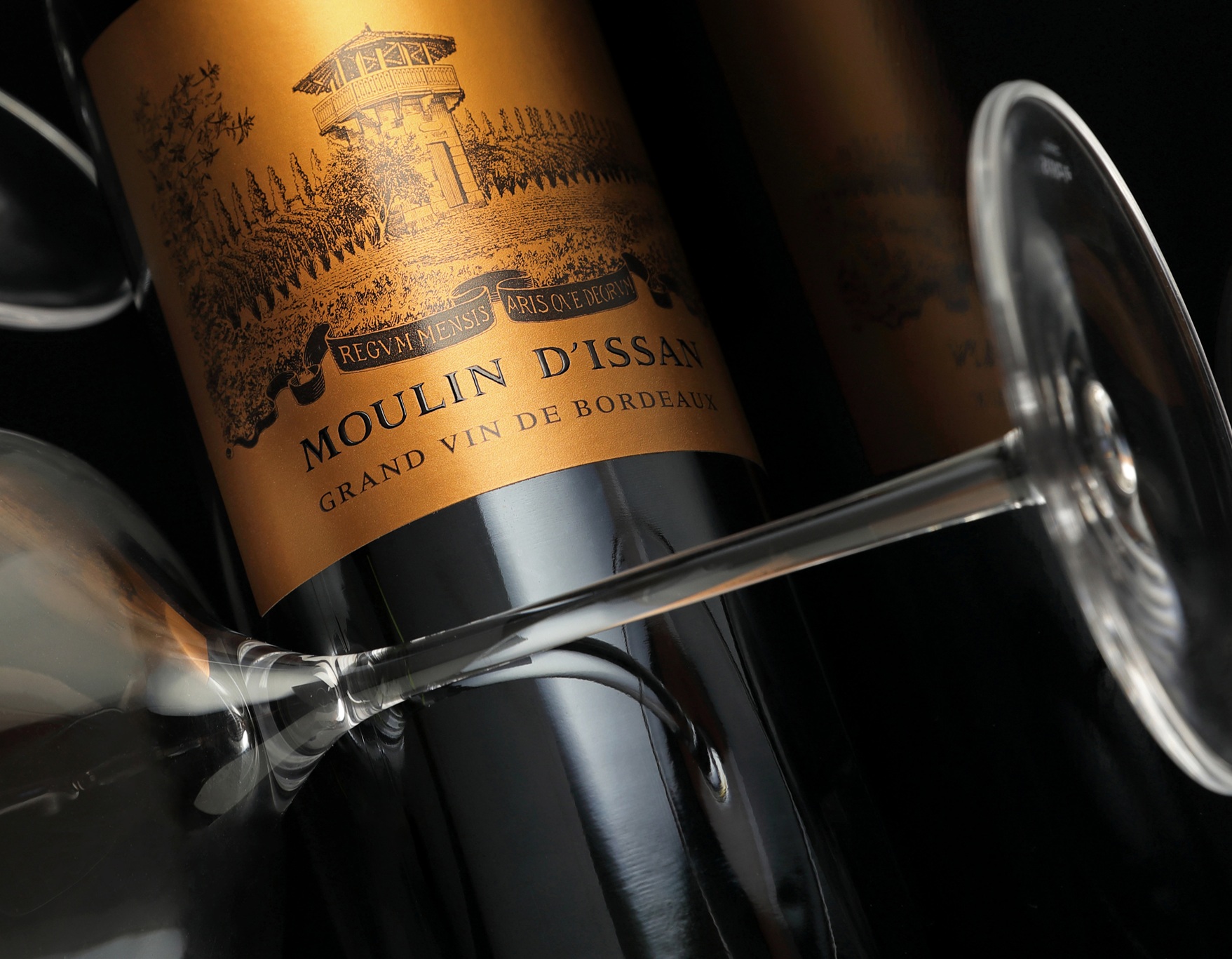
We recommend pairing this dish with Moulin d’Issan 2016.


MENU

